


A roll fed bagging machine usually underperforms because of selection mistakes, not machine faults. The most common errors are choosing by peak speed alone, ignoring film traction, and skipping a seal trial on your own film. The fix is a structured check of film, sealing, changeover, and print before you sign off.
This article is for buyers and equipment engineers selecting a roll fed bagging machine for small-batch, high-mix production. Use the symptom table, the step-by-step checks, and the prevention list to avoid costly mistakes.
Five symptoms that point to a wrong roll fed bagging machine selection
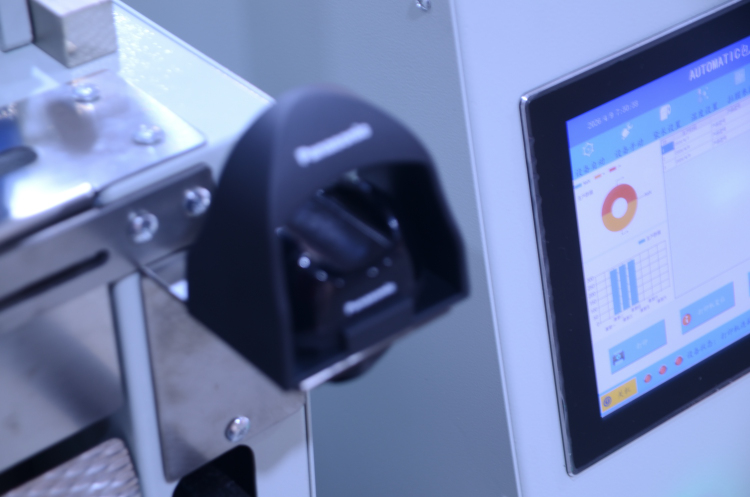
On the floor, the first signs are often blamed on the machine. More often, they come from a mismatch between the machine and your film, your parts, or your changeover rhythm.
| Symptom | Possible cause | How to check |
|---|---|---|
| Bag feed jams or slips | Film width or thickness not matched to the feed mechanism | Measure film width (±1 mm) and thickness with a micrometer. Run 30 empty cycles and count jams. |
| Weak or wrinkled seals | Seal temperature or pressure out of range; film surface not compatible | Run a seal trial on your own film at three temperatures. Check seal strength by hand pull and inspect for wrinkles. |
| Patchy or non-scannable codes | Ribbon width or type not matched to printhead and film | Check ribbon width against printhead width. Print a code and scan it with a verifier. |
| Long changeover between products | No recipe storage, or mechanical adjustments are awkward | Time a changeover between two bag sizes. If it runs over 10 minutes, investigate the recipe recall function. |
| Machine stops with no obvious fault | Safety zone tripped (low-pressure zone or overload) | Read the message on the HMI. Clear the obstruction before resetting the zone. |
Check the film before you argue about speed
Film traction is the most common weak point. If the pre-opened roll film is too narrow or too thin, the pick-and-open step becomes unreliable. Film width, length, thickness, and print are customised to your pick mechanism and sealing parameters. Test with your own film, not a sample from the supplier’s shelf.
Measure the film width with a caliper at three points along the roll. Variation over 1 mm means the supplier cannot hold tolerance. Check thickness with a micrometer. Thin film tends to burn through; thick film may not seal at the same setting. Run 30 cycles and log any bag that does not open fully.
Il single-side open roll film page lists the available options. A trial seal on your own film is the only proof that matters.
What to write down during the film trial
- Film width and thickness measured at three points
- Number of bags that failed to open in 30 cycles
- Seal temperature range that passed the hand pull test
- Any wrinkles or curling at the seal line
Seal quality: verify on day one, not week six
Seal defects often show up weeks after installation. Test before shipment and again on arrival. The seal target is consistency: thin film must not be burnt through, thick film must not be under-sealed.
Run a trial seal at three temperatures, for example 150°C, 170°C, and 190°C, with five bags at each setting. Perform a hand pull test. A good seal should tear the film before the seal fails. Inspect each seal for wrinkles. Record the best setting in the recipe library.
Il pre-opened roll bag packaging machine page lets you compare sealing configurations. If you need variable data on every bag, pair the bagger with a stampante a trasferimento termico and confirm the print timing during the same trial.
Changeover and recipe management: the hidden cost on small batches
On small batches, changeover downtime usually costs more than peak speed. The tabletop P350S runs 8-15 bags per minute; actual output depends on part shape, loading rhythm, and whether an operator or a feeder loads the bag. That figure means little if a changeover eats 30 minutes of the shift.
The JYZN recipe library stores product recipes recalled from the touchscreen. The official figure is hundreds of recipes, so bag size and print content change without re-programming. Time a changeover between two bag sizes yourself. If it runs past 10 minutes, the machine either lacks recipe recall or the mechanical adjustments are poorly designed for your operators.
Test with a product that changes both bag size and print content. Verify that bag length, seal temperature, and print layout update in one step. If an operator needs a checklist to do it, ask why.
Troubleshooting order: why before how much
Random adjustment makes things worse. Follow this order and stop when the symptom clears.
- Stop and isolate. Do not adjust settings at random. Power down and lock out if the fault involves the sealing area.
- Check the film first. Verify width, thickness, and that the pre-opened side faces the pick mechanism. Run empty cycles.
- Check the seal. Run a trial seal on a small sample. Adjust temperature only after the hand pull test fails.
- Check the print. Confirm ribbon width and type match the printhead and film surface. Print a test code and scan it.
- Check changeover. Recall a stored recipe and watch whether every setting loads correctly.
- Check safety. Read the HMI message. Reset zones only after clearing the obstruction.
How to prevent the same mistake on the next purchase
Document the film and ribbon specifications that passed the trial. Keep a log of seal settings per film type. Train operators to record any changeover longer than 10 minutes. Check film traction and seal quality on a monthly schedule.
Ask for a trial run with your own film and parts before purchase. Confirm the recipe capacity and the safety zone behaviour. If the line will connect to MES or ERP, verify the interface during acceptance, not after go-live. Evaluate changeover time, bag cost, and consumable fit together, because on small batches no single number decides the outcome.
Frequently asked questions
How do I know if my film is compatible with a roll fed bagging machine?
Send a sample roll to the machine supplier and ask for a written trial result covering seal strength and opening reliability. Without that trial, you are carrying the risk. Measure width and thickness yourself before you ship the sample, so both sides compare the same numbers.
What changeover time should I expect?
With recipe storage, a bag size and print content change can finish in a few minutes. Without it, expect 15-30 minutes and more operator errors. Time it on your own products during the demo, because published figures rarely cover your mix.
Can I use any thermal transfer ribbon?
No. Ribbon must match the printhead width and the film surface. A mismatched ribbon is the most common cause of patchy or non-scannable codes. Print a code with the intended ribbon and scan it before you approve the consumable.
Why does the machine stop with no fault code I can read?
The dual-zone design includes a low-pressure zone that prevents unexpected start-up and a torque-limited high-pressure zone that protects against overload. Check the HMI for the zone message, clear the obstruction, then reset. Repeated trips point to film drag or a sealing fault, not a software bug.
Is a faster roll fed bagging machine always better?
No. High-mix lines are usually limited by changeover and loading, not by peak cycle rate. On your own parts, measure bags per hour across a full shift, including changeovers, before comparing machines.
Send your bag drawing and a photo of the part to contact us for a quote. We will come back with a model recommendation and a reference price band within one business day.
Get a quote and a model recommendation
Send these four things and we can come back with a model and a reference price band in one go, instead of a week of back-and-forth:
- Bag size (width x length) or a photo of the pack you use today
- Part size, part weight, and how many pieces go into one bag
- Target output in bags per minute, and running hours per day
- Whether each bag needs a date code, batch number or QR code printed on it
We reply within 2 working hours and send a model recommendation with a reference price band within one business day. If you want to see the seal and print first, send a sample part and we will run a trial bag.